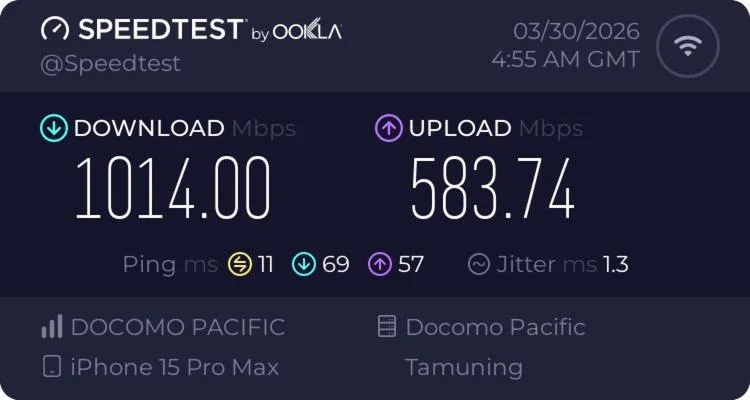
Saipan WiFi is challenging the world when it comes to fast internet.
If you’ve been holding off on seriously looking at Saipan because you assumed the internet would be the dealbreaker, that number is where this conversation starts.
The trade here is warm weather, empty beaches, and a tax structure most Americans have never heard of. Slow internet is not part of what you’re giving up…
Not even close.
Here’s what’s actually running it.
Docomo Pacific: The Network Already Powering the Island’s Best Addresses
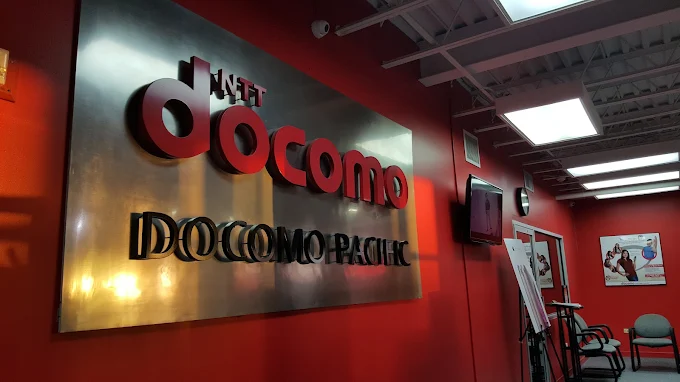
Docomo Pacific Fiber is behind that speed test. And it’s not new infrastructure being tested on early adopters either.
Giants like Crowne Plaza, Saipan World Resort, Bank of Guam’s Saipan, and Casa Marianas, the CNMI’s first co-working and co-living space where a lot of remote workers visit when they first get here, runs on it.
When established hotels and a bank are on the same fiber network you’d be working from, it’s far from a pilot program.
Docomo Pacific also runs 5G mobile service across the CNMI. So if you’re moving around with a hotspot rather than sitting in one place, the network keeps up.
The $31 Million Project That’s Making It Even Better
Here’s where it gets more interesting.
IT&E, the other major provider on the island, is the provisional awardee of a $31 million federal Broadband Equity, Access, and Deployment project. The goal is fiber optic cable to every home on Saipan, Tinian, and Rota. All 19,687 locations in the CNMI.
The design is typhoon-resistant. The system runs passively, meaning if IT&E loses power during a storm, internet can still reach your home as long as you have backup power. Someone working through a typhoon for example, can still get online.
Construction starts as early as mid-2026. With completion across all three islands by 2030.
Starlink Is Here Too
Starlink opened to the CNMI in late 2023. Real-world testing by a local resident averaged around 153 Mbps download and 20 Mbps upload across different times of day. Enough for video calls, file transfers, and everything a normal remote work day involves.
Worth knowing going in: heavy rain and storms can affect the connection. During one bad storm the same user lost connectivity entirely for a stretch. Starlink works best as a backup option, or as the primary connection for anyone setting up somewhere more rural where fiber coverage hasn’t arrived yet. While it’s a great Plan B, it isn’t the first line of defense most people on the island reach for.
For businesses, resorts, and anyone needing a managed installation rather than a DIY setup, Commonwealth Satellite (COMSAT) handles professional Starlink design, installation, and ongoing management across the CNMI and Guam.
The Truth about Cell Service In Saipan
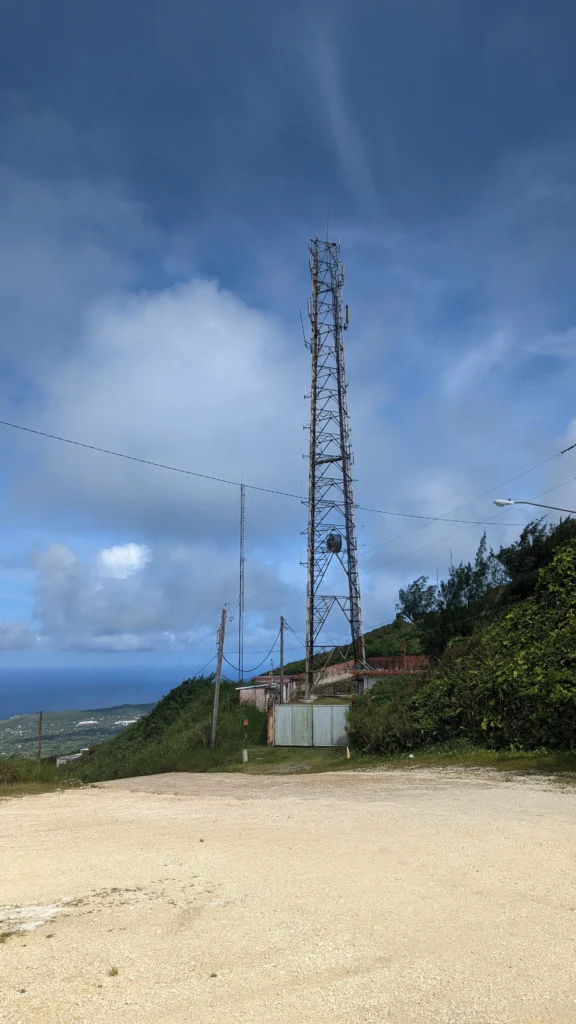
Popular areas of Saipan have strong, reliable signal. Garapan, the beach road, the hotel corridor, the commercial areas where people actually spend time. If you’re there, you’re covered.
Go far enough off the beaten path and it gets spotty. The more remote stretches of the island, some interior roads, the northern end. Coverage thins out. That’s just the reality of a small island with terrain and a population concentrated in specific areas.
For a remote worker or digital nomad this is a non-issue in practice. Coworking spaces have fiber. Hotels have fiber. Most coffee shops around the island offer fast, reliable WiFi even without fiber infrastructure. There’s a McDonald’s on Beach Road that’s open 24 hours with solid WiFi. In fact, it’s not uncommon to see a few night owls or jet-lagged workers burning the midnight oil there.
When it comes to signal gaps though, they exist in places you’re unlikely to be working from anyway.
Now, let’s talk about mainland USA carriers.
Google Fi and T-Mobile cover the CNMI directly. Verizon and AT&T work here on an international plan. Korean visitors are covered through IT&E’s roaming agreement.
One thing worth knowing before you arrive; most international eSIM providers including Holafly and Airalo don’t include CNMI or Guam in their coverage. Someone who buys one of those thinking they’re sorted will land in Saipan without service. It’s a surprisingly common situation given how many people use those providers everywhere else.
Getting Connected Before You Land
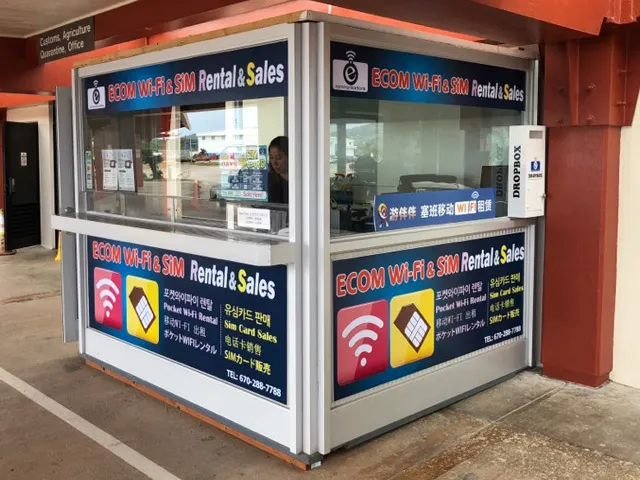
For short stays of a few days, there’s an ECOM kiosk right after customs at Saipan International Airport. Open during flight schedules. Prepaid physical SIM cards and pocket WiFi rentals available on the spot. Your device needs to be unlocked. Good option if you need something immediately and aren’t staying long.
For anyone staying longer, the better move is sorting your connection before you board.
Casa Marianas offers the only instant eSIM service in the CNMI. Docomo Pacific powered, 5G where available, delivered via QR code by email within minutes of purchase. No physical SIM hunting, no kiosk lines. It also works seamlessly if you make a trip to Guam; which catches a lot of people off guard with other providers.
The 15-Day Unlimited eSIM runs $75 for unlimited data, calls, and texts, built for travelers and shorter visits. For digital nomads and remote workers planning a longer stay, the 30-Day Unlimited eSIM is $100. Same unlimited everything, just over $3 a day for Docomo’s 5G network. Both available at the Casa Marianas Casa Shop.
A Place to Work When You Get Here
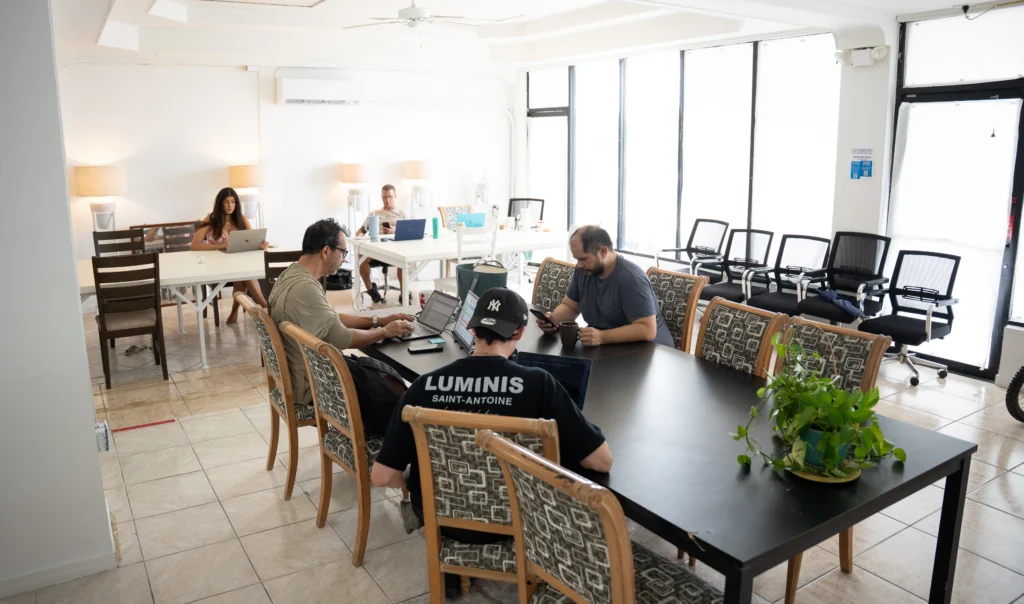
Having fast WiFi and internet at your accommodation is one thing. Having a dedicated space to actually work, reliable fiber, quiet environment, people around doing the same thing, is another.
Casa Marianas runs a coworking space on the ground floor with 7-day access to the open plan area and lobby lounge. Daytime hours from 8am to 8pm are dedicated work hours. After 5pm the space may have event programming but coworking members are welcome to stay or access low-cost shared offices.
Monthly access starts at $20. Thirty day passes included, renewed each billing cycle.
For anyone who keeps unconventional hours: freelancers working with stateside clients, students, or night owls who do their best work after 10pm, the Co-Working + Hot Desk plan adds a quiet upstairs workspace after hours. Same 5GB fiber optic WiFi for only $30 more a month, $50 total.
Want to take the place for a test drive? Day passes are available for an affordable $15.
The eSim plans and cowork/coliving plans are both available at Casa Marianas.
What You’re Actually Trading For
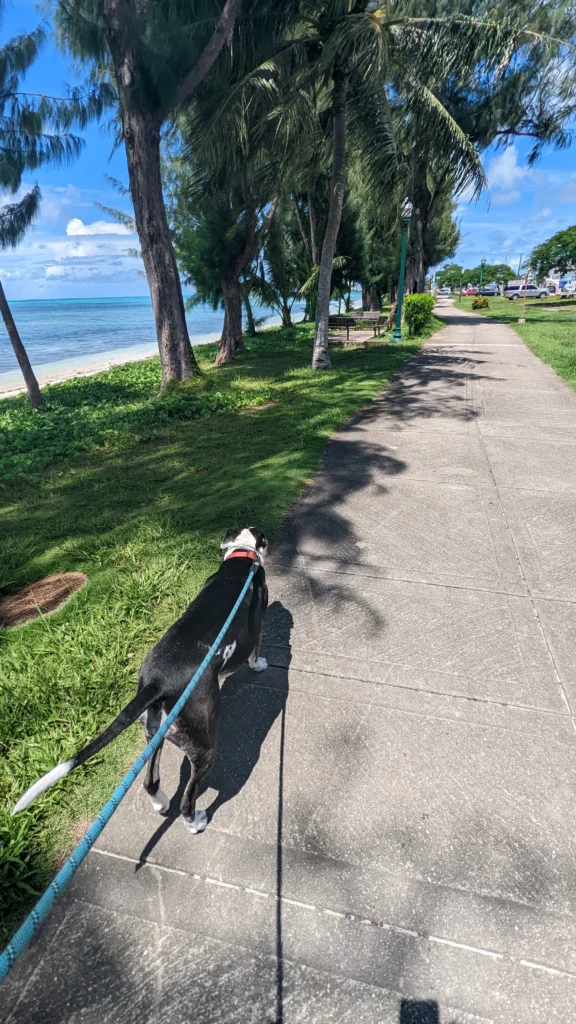
Most people making this decision have a version of Saipan in their head before they look into it seriously.
Slow everything. Spotty connections. Dropping calls with clients. Waiting on pages to load…
The opposite is true here.
What’s actually here is established providers, satellite options, and solid coverage everywhere people spend their working hours. Not to mention, there’s also coffee shops with reliable WiFi and a 24-hour McDonald’s on Beach Road that’s become a late-night office for more than a few people.
If fears of sluggish island speeds are what’s standing between you and breathtaking beaches, a Pacific lifestyle most people don’t know exists, and a U.S. tax structure most Americans (or the world) has never heard of; it’s time to revisit that assumption.
Saipan wifi is not what most people expect. For anyone whose work lives online, that’s one less thing standing between them and the move.
If you’re looking into what a longer stay or a permanent move actually involves, the residency piece is worth reading next. And if you have specific questions about getting set up, reach out through the contact page.
Sources
- Docomo Pacific Fiber: docomopacific.com
- IT&E Fiber Expansion: Marianas Variety
- Casa Marianas eSIM: casamarianas.com/casa-shop
- Commonwealth Satellite Marianas (COMSAT)