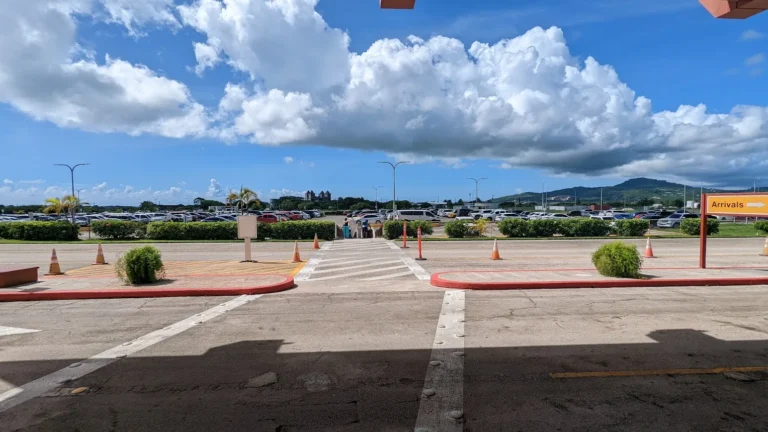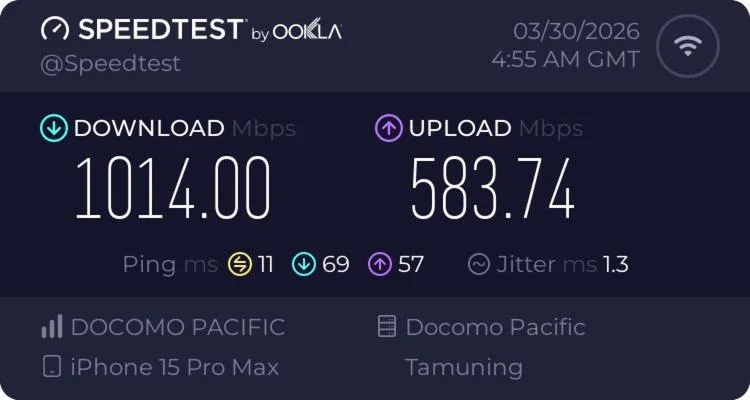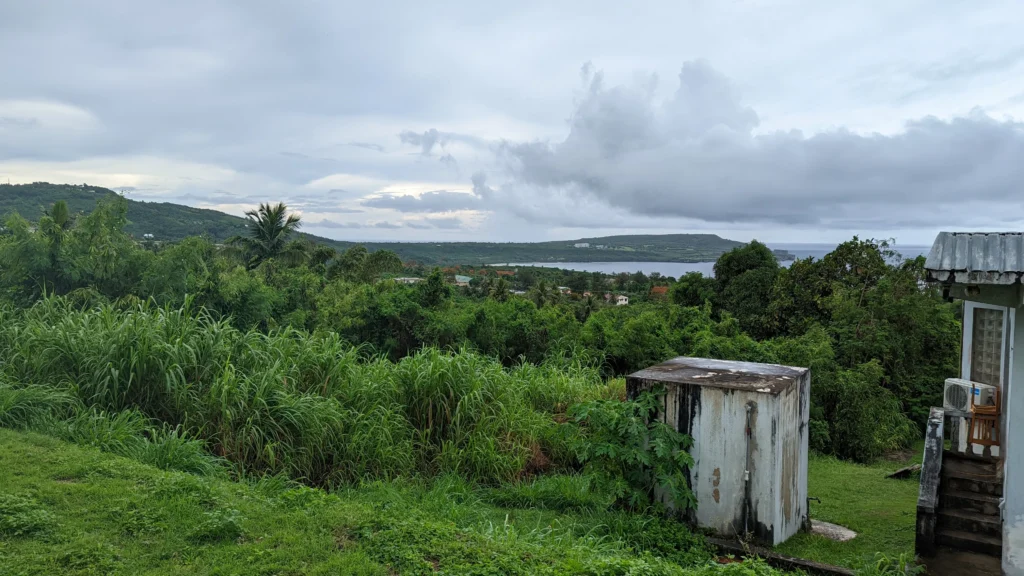
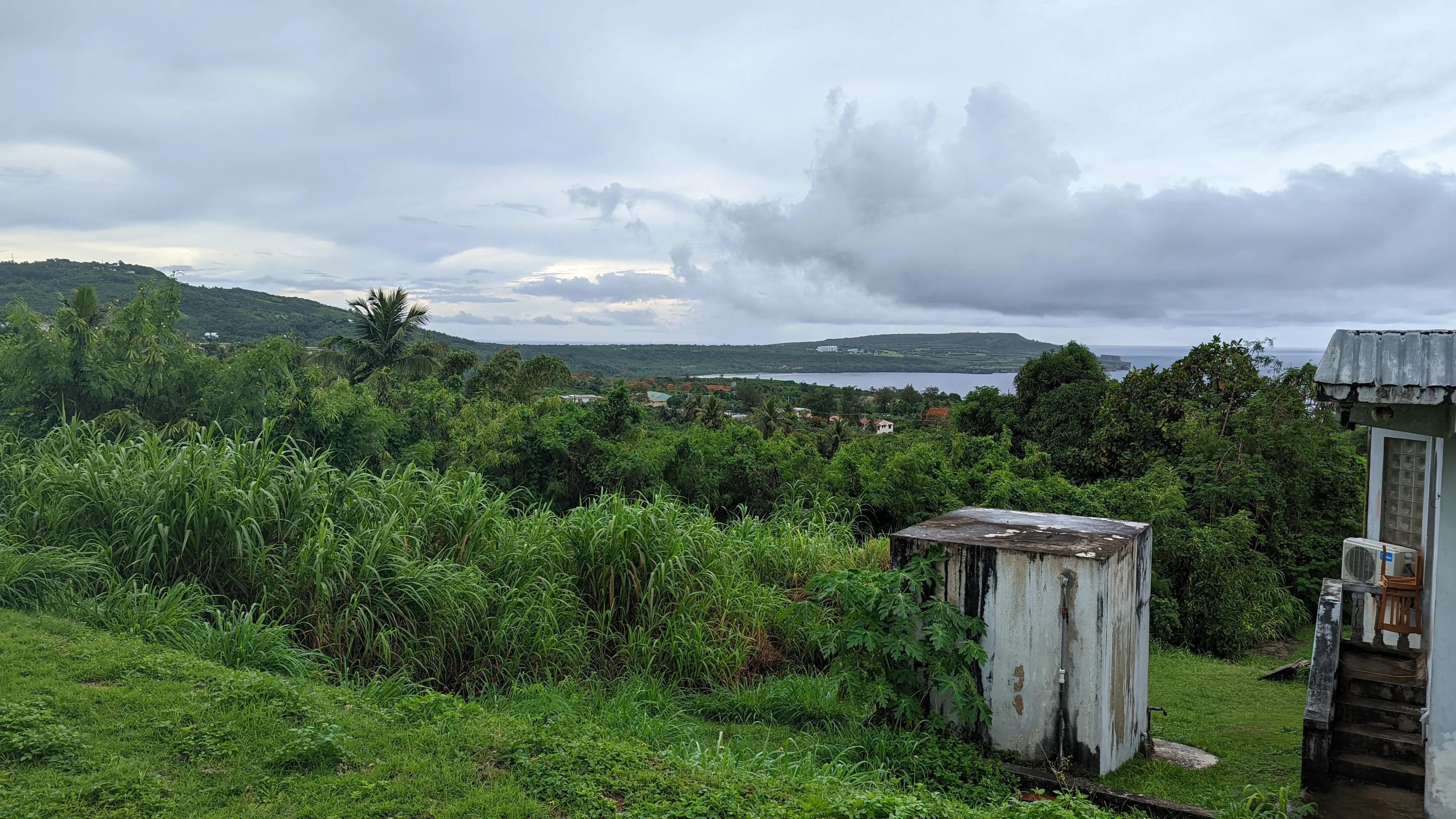
A 3-bedroom, 3.5-bathroom home. Two stories. An unparalleled view of Saipan that feels like you’re living inside a postcard. Only for $1,500 a month.
If you’re thinking that’s from a Zillow listing in 2003, you’re way off! That’s from modern day Saipan, and that’s what rent looked like when I first moved here a few years back. If the number sounds off, realize the island operates on a completely different cost structure than anywhere on the mainland.
Here’s the thing, some things are genuinely cheaper here. A few things cost more. And a couple of things will make you laugh, or cry, depending on your relationship with Amazon Prime.
Here’s the honest breakdown.
Rent — The Number That Stops Most People Mid-Scroll
For someone coming from Charlotte, Austin, or anywhere with a competitive rental market, the $1,500 number might take a minute to process.
But here’s what makes it more interesting. When that same person had to downsize, they found a studio apartment for $225 a month.
Yes, in 2026, they were able to find a studio apartment for just $225. It came with a few caveats: no hot water, a widow-unit AC with only two settings, and no WiFi. Sounds bareboned, right? But it was livable, and it easily fits with what most people’s monthly car payments are stateside.
The range between $225 and $1,500 tells you most of what you need to know about the rental market here. You can live extremely lean or you can live very comfortably, and both options cost significantly less than their mainland equivalents. Studios, one-bedrooms, and multi-room homes are all available at prices that take some getting used to (in a good way).
No Sales Tax — The Savings You Stop Noticing
The CNMI has no sales tax. Every purchase, every transaction, nothing added at the register beyond the sticker price.
For someone coming from a state with 6%, 8%, or 10% sales tax, this adds up in ways that are easy to underestimate. It isn’t dramatic nor does it show up as a line item on your receipt. It just quietly saves money on every single purchase, every single day.
You stop noticing it after a while until your next mainland and see a receipt and remember why you moved.
The Tax Structure — There’s More to This Story
While the no-sales-tax benefit is a visible part, the less visible part, the one that gets self-employed residents and business owners genuinely excited, is the CNMI’s broader tax structure.
We covered that in detail in The Mirror Tax System. If you’re running a business or working for yourself, that article is worth reading after this.
The short version: qualifying residents can legally reduce their income tax bill by a significant amount. To find out about the residency requirements to unlock those benefits, click here.
Food — What’s Affordable and What Isn’t
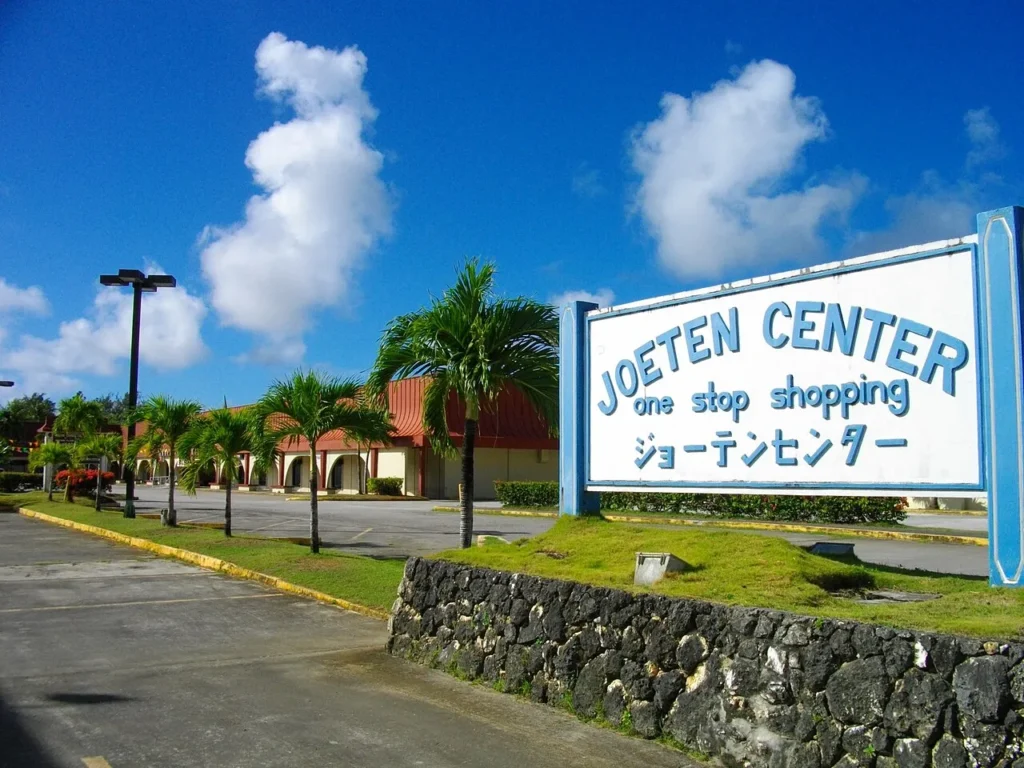
Local produce and Asian-imported groceries are where the food budget works in your favor. The CNMI sits in the western Pacific, which means Japanese, Korean, Filipino, and Chinese food products move through here naturally. Rice, noodles, fresh produce, sauces, snacks, the whole-nine yards. The selection is deep and the prices reflect how close the supply chain actually is.
With regards to grocery options, there are a number of independent grocers, as well as local franchises like Joeten. Joeten offers a number of smaller, “neighborhood markets” around the island, while also offering a “super” version similar to a Super Walmart and a “super center” which acts as a Costco/Sam’s Club.
When it comes to prices, expect to pay on average 10%-20% more than what you’d pay stateside. However, when it comes to paying the most, there’s no worst offender than American brand junk food.
The cookies, cakes, sodas, and snack brands most Americans grew up with will cost roughly double what they do stateside. Those products travel on containerships from the U.S. mainland and the shipping cost ends up on the price tag. A box of Oreos that costs $4 in a Charlotte grocery store might run $8 or $9 here. Less when there’s a sale, but that’s usually few and far between.
Getting Around — Gas Costs More, But the Island Is Small
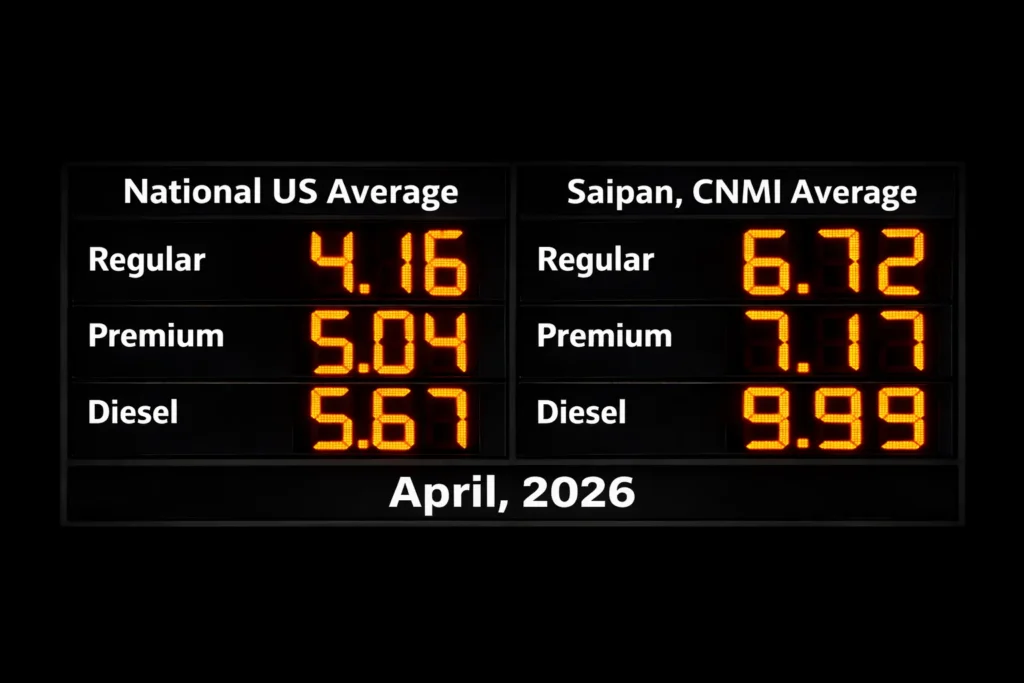
Gasoline in Saipan runs 50-60% higher than the U.S. national average. As of April 2026, regular unleaded was running $6.72 a gallon here compared to a national average of $4.16 according to AAA. Diesel at $9.99 versus $5.67 nationally.
The counterpoint is the island itself. Saipan is roughly 12 miles long. Most people don’t spend much time in the car unless they want to. A full tank lasts a long time when your longest possible drive is under 30 minutes. The higher price per gallon stings less when you’re buying it once every couple of weeks.
Utilities — Electricity Is the One to Watch
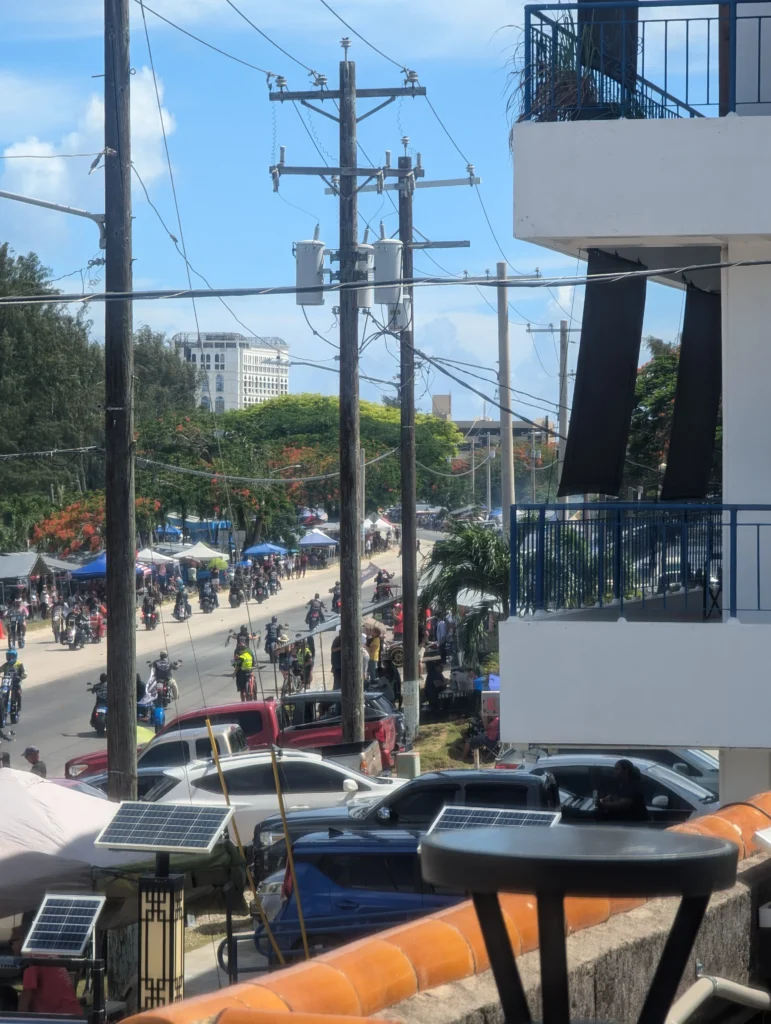
Electricity in the CNMI runs roughly 50% higher per kilowatt than mainland U.S. rates. It’s the utility cost difference that catches most newcomers off guard on their first bill.
The island runs on fuel-powered generation. Importing that fuel adds cost at every step, and unlike most places on the mainland, there’s no external grid to draw from when local supply gets tight.
Solar is worth considering for anyone planning a longer-term stay. Plenty of homes and businesses on the island have made the investment, and the long-term math works given how consistent the sunshine is here because the upfront cost is a harsh reality. Granted, the payback period takes time, but for some owners it’s a legitimate option.
Renters don’t usually have that choice. Budget for higher electricity costs and work it into any housing decision from the start rather than discovering it in month two.
Shipping — The One Nobody Warns You About
This is the section that catches almost everyone off guard. Not because the information is hidden. It just never comes up until after someone has already moved.
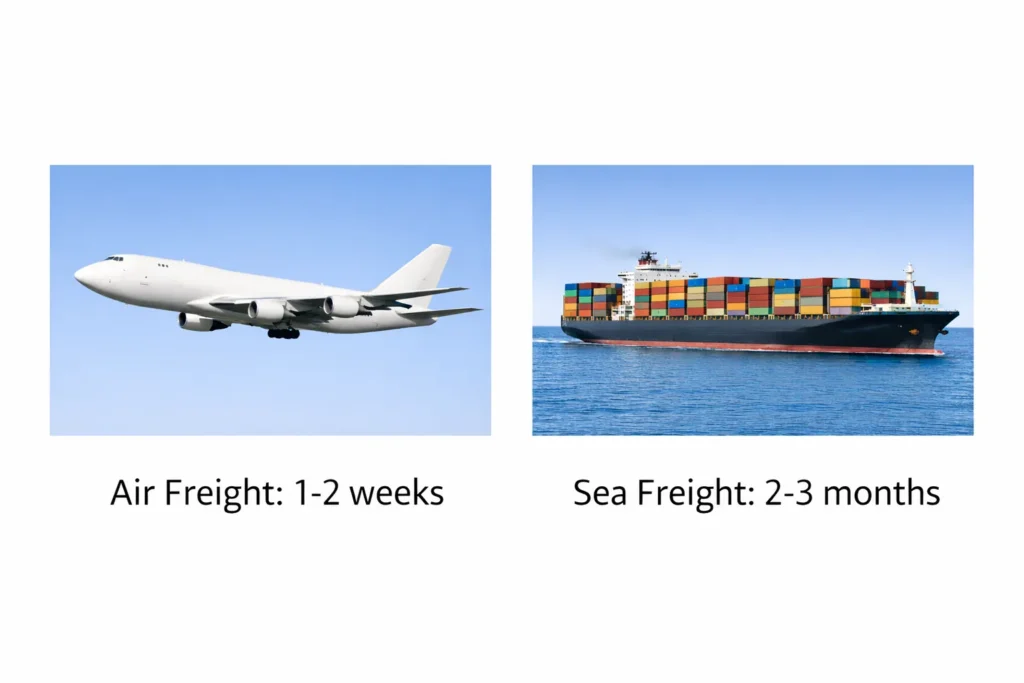
Amazon Prime doesn’t work the way people expect here. Two-day shipping becomes one to two weeks at best. Items with lithium batteries, laptops, certain electronics, power tools, are usually not even offered on their website (Same with Walmart.com shipping options for the CNMI). For places where these products can be purchased online (like on eBay for example) and shipped to the CNMI, they will usually end up in San Francisco where your items will travel via cargo ship, adding an additional 6-8 weeks before it arrives.
Sea freight is the other option for larger or heavier shipments. Expect it costs to be high and expect it to take awhile before it arrives. Two to three months is not unusual. Something ordered in January might arrive in March or April. A shipper like Triple B Shipping is a local private option for people who need something specific that won’t ship directly (like a set up gym equipment) that’s worth knowing about.
Local shops carry most everyday essentials and the selection is better than people expect. The tradeoff is price. You’re paying for the convenience of having it on island. For specialty items, niche supplements, unusual spices, or anything outside the mainstream, ordering from abroad is usually the only path.
One more thing: the CNMI has no sales tax on shipped items which certainly helps as most retailers charge a delivery surcharge to ship here that isn’t covered by Amazon Prime or standard shipping rates. That surcharge often offsets the no-tax savings. The math usually comes out roughly even, just with a longer wait.
The Mainland Comparison
Here’s how the major cost categories stack up side by side:
| Category | U.S. Mainland | Saipan, CNMI |
| Rent (1BR) | ~$1,500/month | $400-$900/month typical |
| Rent (3BR home) | $2,500-$4,000+ | $1,200-$1,800 |
| Sales Tax | 0-10% depending on state | 0% |
| Regular Unleaded Gas | ~$4.16/gallon (AAA avg.) | ~$6.72/gallon |
| Electricity | ~$0.12-0.16/kWh avg. | ~$0.20-0.25/kWh est. |
| Mainland brand groceries | Standard retail | ~2x due to shipping |
| Local/Asian groceries | Limited availability | Affordable and abundant |
| Amazon Prime shipping | 1-2 days | 1-2 weeks minimum |
Some things to consider: Housing and no sales tax are where Saipan wins clearly. Gas, electricity, and imported mainland goods are where costs run higher. Food is split depending on what you eat.
For most people making the move, especially remote workers and retirees, the housing savings alone can offset the higher utility and fuel costs several times over.
Is It Worth It?

Honestly, it depends on how you live.
If your daily routine runs on mainland brand groceries, frequent drives, and two-day deliveries, the adjustment takes time.
However, if you’re eating local, driving less, planning purchases a few weeks out rather than same-day, and the cost picture shifts considerably. Lower rent, no sales tax, a tax structure that rewards people who work for themselves, and a quality of life that most comparable-cost places simply don’t offer.
Remember, the beach isn’t a weekend destination here… It’s Tuesday afternoon after work.
For anyone thinking seriously about what a move actually looks like in practice, our residency piece covers what qualifying takes. And if you have specific questions about getting set up, reach out through the contact page.
Thinking About Making the Move?
Casa Marianas offers a hands-on way to experience island life before committing to a full relocation. Coliving and coworking on Saipan, with setup support built in. Housing, business registration, local banking. It’s how a lot of people turn “I’m seriously considering this” into “I actually live here now.” CasaMarianas.com
Looking for longer-term housing options on the island? We work with local real estate partners who know the market. Reach out through the contact page and we’ll point you in the right direction.
This article is for informational purposes only. Costs and prices reflect conditions as of April 2026 and are subject to change. Always verify current rates before making financial decisions.
Additional Sources
- AAA National Average Gas Prices: gasprices.aaa.com
- Joeten Superstore: joeten-superstore.com
- Triple B Shipping: tripleb.com
- Casa Marianas: casamarianas.com