The Part Nobody Warns You About Saipan
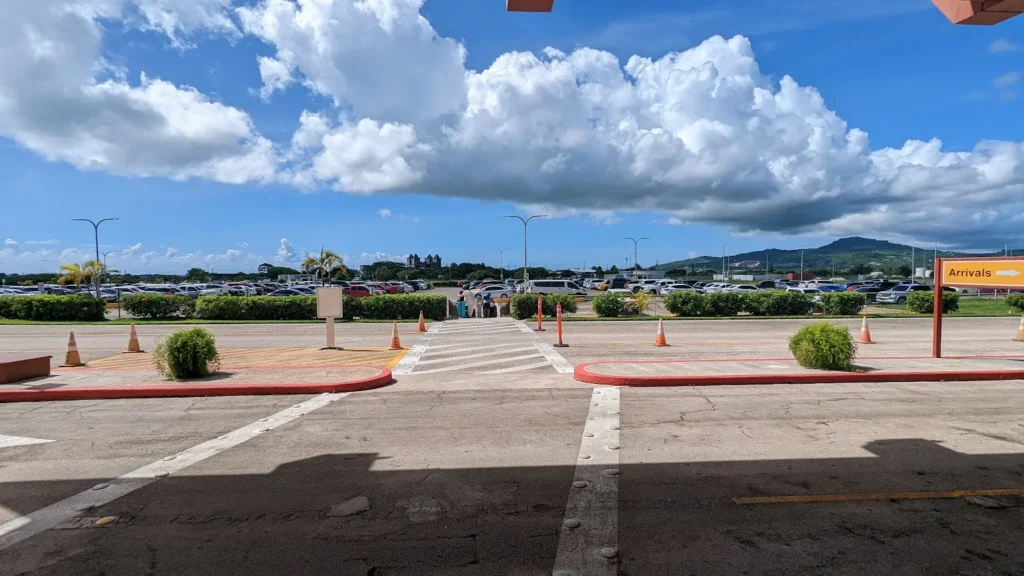
The flight lands. You grab your bag. You walk through customs the same way you would in any American airport: no passport control, no immigration line, no special paperwork. You step outside and the air hits you. Warm, heavy, nothing like Charlotte, Denver, or wherever you came from.
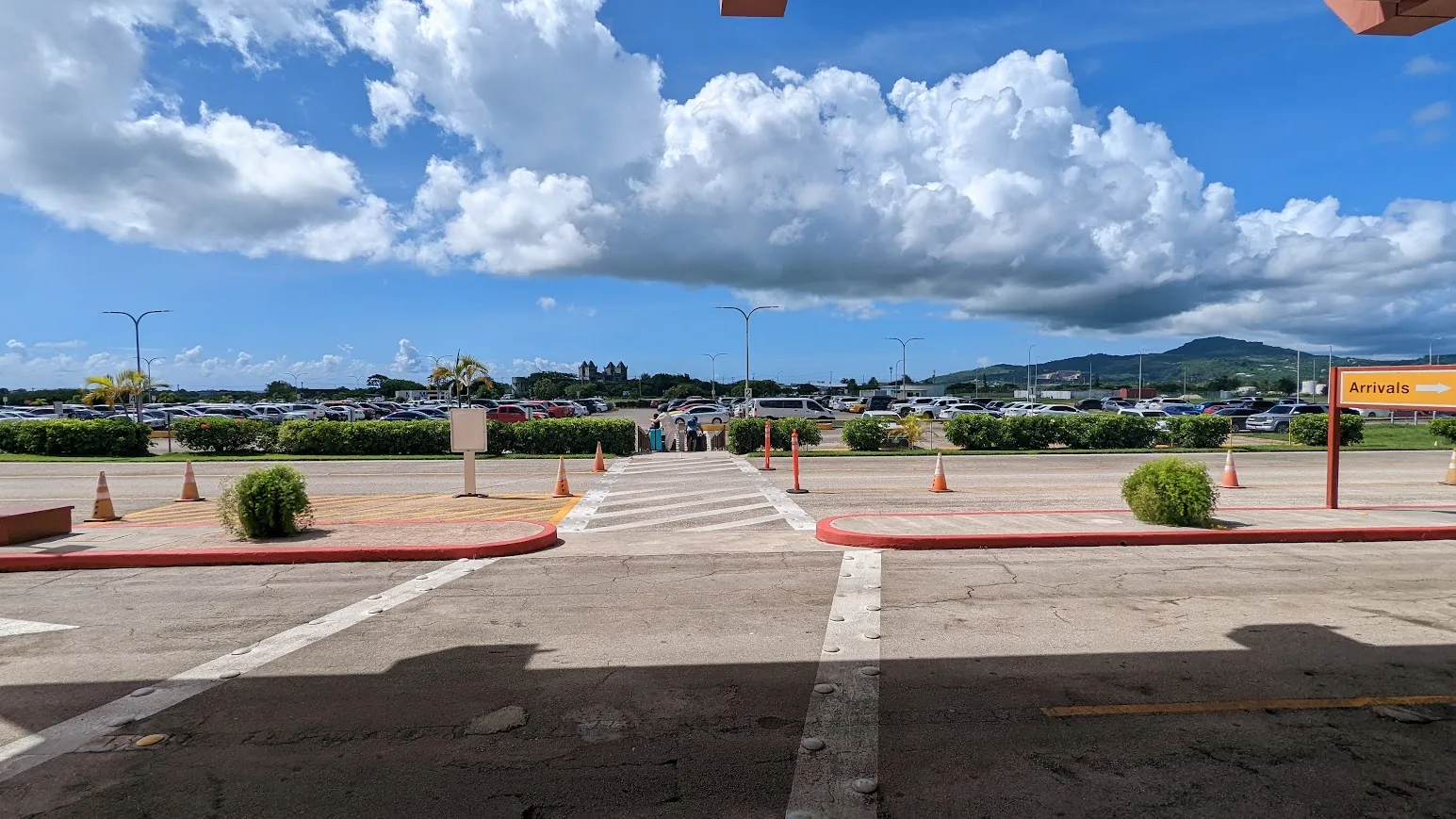
It’s that moment, standing outside Saipan International with your bags, squinting in the sun, is usually when everything starts feeling surreal…
But that’s okay, because you made it… And now you have absolutely no idea what to do next.
That’s okay though.
Almost everyone arrives here with a general plan and a lot of unanswered questions. The island has a way of answering them on its own timeline.
But a few things are worth knowing before you land so the first week doesn’t feel like you’re making it all up as you go.
First, the basics. Americans move to Saipan under the same legal framework as moving to any U.S. state (or territory for that matter).
That means no visa or passport required for entry. Since you’re already in a U.S. jurisdiction the moment you step off the plane, all the general federal rules are the same. That means same dollar, same constitutional rights, and same federal laws.
However, what’s different is almost everything else.
Saipan has its own tax system. Its own immigration rules for non-Americans. Its own pace, its own infrastructure, its own way of doing things. If you’ve moved between U.S. states before, some of this will feel familiar. The rest will take a few weeks to figure out.
Not American? The rules are different for you. Check out our guide to Visiting Saipan without a visa before reading further.
Finding a Place to Stay
Before renting directly, most will book a hotel for the first week. While Saipan has many resort options like beachfront properties with pools or ocean access that’s a short walk from your room, they might be outside of your budget or maybe being on the beach isn’t your thing. If you’re looking to find something that isn’t over the top, then it’s important to know where to look before committing to anything.

If you want something that comes with a built-in community from day one, Casa Marianas is worth knowing about early. It’s a coliving and coworking space built specifically for people arriving on-island. Furnished rooms, Wi-Fi, and a house full of people who recently went through exactly what you’re going through. For remote workers, it solves the first-month problem of having nowhere to work and nobody to ask.
For longer-term housing, the search happens mostly through Google and Facebook. Search “Saipan apartment for rent” and listings will turn up across a wide range. Basic studios on the lower end. Furnished apartments in the middle. The occasional ocean view house for around $1,700 a month (A total steal!) that makes you wonder why you waited so long to move.
Local Facebook groups, while having a lot of popularity in the mainland U.S., is the Saipan “secret sauce” when it comes to finding local inventory. The groups to look for include:
Saipan Buy and Sell
Saipan Buy and Sell CNMI
Saipan 670: Sell, Trade, Buy Anything

All groups have rental posts going up regularly with photos, locations, and direct contact numbers. That means no realtor or no application portal, just message the person and set up a viewing.
Those same groups are where people moving off-island sell everything they own before they leave: Furniture, appliances, kitchen stuff, bedding, and much more. Buying from departing residents is one of the fastest ways to furnish a place cheaply. Worth checking before you order anything from the mainland.
One thing to sort out before you start looking: if you’re moving to the CNMI with a large dog. If you are, your options shrink considerably.
Many landlords here don’t allow them. Small dogs are generally easier to place. In these cases, the best bet is going to be renting a house as landlords worry less about homes and more about apartments. Either way, it’s best to figure that out early so you don’t get stuck with the bottom of the barrel on your next search.
Your First Week, Step by Step
Here’s where most people get tripped up. Not by the big stuff, but by the small stuff. In part because these things need to happen first to make everything else work.
Get a phone number first.
You’ll want data the moment you land. If you’re on T-Mobile’s Go5G or Magenta MAX plans, you’re already covered on arrival. Verizon’s Travel Pass and AT&T’s International Day Pass both work in Saipan for $10 a day (fine for a couple of days while you get sorted). There’s also a Pocket Wi-Fi kiosk right outside the terminal, to the right after customs, renting units for $10 a day.
For a permanent local number, IT&E and Docomo Pacific are the two carriers on-island. Both have storefronts and can set you up with a local talk, text, and data plan.
One thing worth knowing before you need it: standard SMS doesn’t support picture messages in CNMI. Pretty much everyone uses WhatsApp or Telegram instead for photos, videos, group chats, all of it. Get it installed and set up early so you don’t have to worry about downloading it when it’s time to trade numbers.
Then get a P.O. Box.
A major difference between living in the mainland U.S. and Saipan is there are no home mailboxes in Saipan. Mail won’t get delivered to your door. Everyone uses a post office box, and you’ll need one before you can open a bank account because the bank will ask for a local mailing address.
To setup your account, you can visit the main post office in Chalan Kanoa. There’s also some private mailboxes like Pacific Post in Garapan that offers private mailboxes starting around $12 a month. More convenient than the main post office for most people and fewer battles when it comes to fighting for packing spaces too. Either one works for banking purposes.
Then open a bank account.
Make sure to bring two forms of ID: a driver’s license plus a passport, birth certificate, or Social Security card. That combination covers what most places here will ask for. With your IDs and your P.O. Box address in hand, you can open a personal checking account same-day. Bank of Hawaii in Gualo Rai is the most commonly used option for newcomers. Bank Pacific and First Hawaiian Bank are also FDIC-insured with branches on-island.
Your mainland driver’s license is valid for 30 days after arrival. Thankfully, the DMV can transfer it to a CNMI license same-day when you’re ready.
Phone, mailbox, bank account. Those three in that order and you’re functionally set up. Everything else follows from there.
Mail, Shipping, and the Amazon Problem
Amazon Prime works on Saipan… Sort of.
Your account works but with caveats. The catalog will be limited and you can throw two-day shipping out the window.
Everything coming from the mainland ships by air or sea freight. Delivery fees are calculated by weight, and on anything bulky or heavy, the shipping cost can run higher than what you paid for the item. A $40 blender with an $11 is pretty common.
However, once you pass $100 in spend, you can expect shipping fees to make up 10%-15% of your total costs. You learn to think differently about ordering online pretty quickly. If you need certain items new and immediately, local stores like Joeten Superstore (formally Costco), Joeten Susupe (comparable to Walmart) and Ace Hardware (a smaller Home Depot) are available. If you do buy, especially from Ace Hardware, expect to pay a premium for getting immediate access.
The Facebook groups come in handy again here. Someone leaving the island is always selling something whether it’s kitchen gear, electronics, exercise equipment, clothes, and more. Not to mention, buying locally from departing residents is almost always faster and cheaper than shipping.
For anything you genuinely can’t source on-island, a freight forwarder with a U.S. mainland address can help route packages more efficiently. It should also be noted that anything you have that is shipped in within your first 6-months of arrival, be it your mainland car/truck or your audio entertainment system, you’ll avoid paying local customs fees.
Food: The Truth About What’s Here and What Isn’t
The food scene on Saipan is one of the things that surprises people most. In a good way, mostly, but it has it’s fair share of frustrations.

Asian food is everywhere and genuinely good. Korean, Japanese, Filipino, Thai, Vietnamese, and Chinese with a variety within those cuisines is real. This isn’t one generic pan-Asian menu repeated at every restaurant on the island. You can eat well here without much effort, as long as you’re open to eating outside your usual rotation.
American chain options exist but in a limited set. McDonald’s, Subway, KFC, Pizza Hut, and Taco Bell. Grocery stores carry solid staples but certain products are inconsistently stocked or significantly more expensive than what you’d pay on the mainland.
The thing that catches most newcomers off guard isn’t the selection. It’s the hours. Most restaurants close by 9pm. After that, your options drop fast. The 24-hour McDonald’s near Beach Road becomes a common meeting group for remote workers burning the midnight oil but not at home.
Getting Around
When it comes to getting around, unless you stay in the Garapan area, you’ll likely need a car.
Saipan offers public transportation along the Western side of the island with plenty of sidewalks for walking, jogging, and bicycling. While the island is small, most drives run under 20 minutes even in what passes for traffic here. That said, you’ll still need wheels to get to the grocery store, the bank, the beach, anywhere.
Rental cars are available at the airport from both major franchise names and several local operators. Your mainland driver’s license works for 30 days, so rentals make sense for the first couple of weeks while you’re getting your bearings.
While new cars are an option, they tend to be higher than what’d you pay on the mainland. Dealerships carry new and used inventory if you want something with more certainty around its history. For more cost conscious consumers, or those not wanting to deal with the hassle of a car payment, there are plenty of used cars to be regularly found in Facebook groups.
One number worth knowing before you get too comfortable: gas here runs about 50 to 60 percent higher than mainland prices. It factors into the overall cost of living more than it seems like it should. We break that down in detail in the Cost of living article.
The Social Side
Saipan’s permanent population is on the smaller side. Which means the expat and remote worker community is even smaller. That said, these groups are tight and genuinely welcoming to people arriving from the mainland.
Casa Marianas, while a digital nomad hotel and co-work setup, also serves as a hub for meet & greet activities within Saipan. Movie nights, game nights, esports, and a number of other activities pull people together who are going through the same challenges. It’s harder to feel isolated when you’re surrounded by people asking the same questions you are.
The broader social life takes a little longer to find. But it’s there. Church communities, sports leagues, beach gatherings. Most people who stay past the first few months stop thinking about what’s missing and start paying attention to what’s actually here.

What to Read Next
Getting curious about the specifics? Here’s where to go deeper.
The Mirror Tax System — Saipan runs its own tax structure, separate from the federal system. Most people don’t find out how different it is until after they’ve already made plans. Worth reading early.
Unlocking Bona Fide CNMI Residency — What qualifies you, what it unlocks, and how the timeline works. The benefits are real. So are the requirements.
Cost to Live in Saipan — Actual numbers on housing, groceries, utilities, and transportation. Not estimates. What people actually pay.
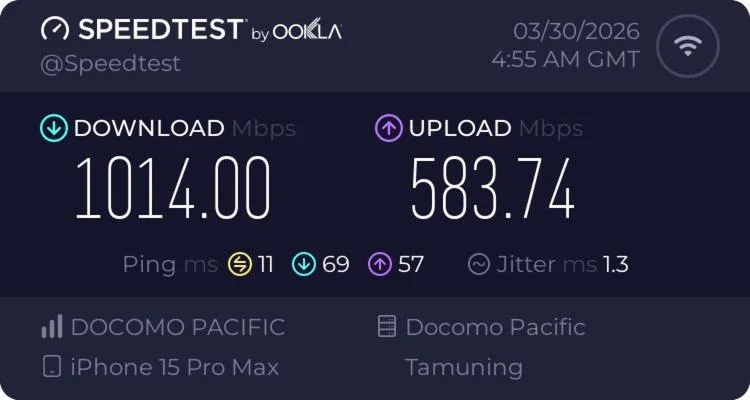
Saipan Wi-Fi — The honest picture on internet speed and reliability. Essential reading if you’re planning to work remotely.
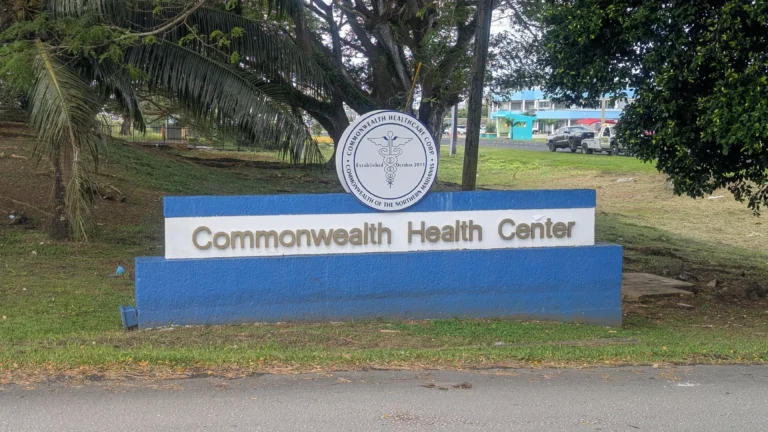
Healthcare in Saipan — What’s available on-island, what isn’t, and how to plan around the gaps before you need to.
Visiting Saipan Without a Visa — For non-Americans, or for friends and family thinking about making the trip.
If you’re ready to start a conversation about making the move, the contact page is the right first step. And if you want to land somewhere with Wi-Fi, community, and someone who already knows where the good ramen is, Casa Marianas is worth a look.
Sources
- Commonwealth Utilities Corporation: cucgov.org
- IT&E: store.ite.net
- Docomo Pacific: docomopacific.com
- Bank of Hawaii: boh.com
- Facebook groups: Saipan Buy and Sell, Saipan Buy and Sell CNMI, Saipan 670: Sell, Trade, Buy Anything